CAD INR ₹ 69.14
CAD INR ₹ 67.92
GBP INR ₹ 127.66
News

Western Union Expands Digital Services In The Philippines

Updated on November 18, 2021 12:00 am
Western Union

The Philippines is an attractive market for top players like Western Union (WU). For a country that receives the fourth highest remittance volume in the world for years in a row, the remittance market in the Philippines is a competitive marketplace for international money transfer service providers.

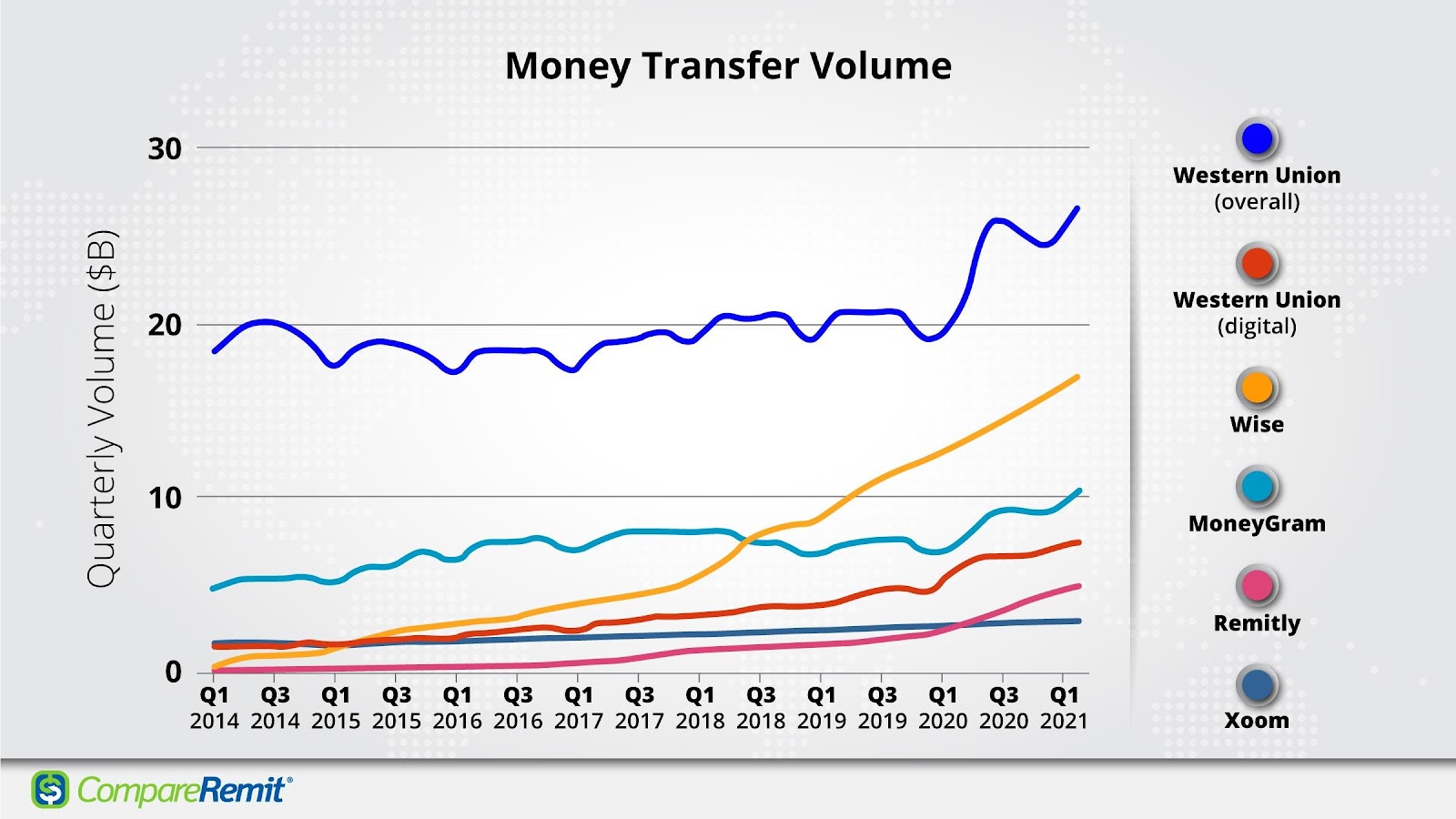
Western Union, founded in 1851, is a global leader in cross-border, cross-currency money movement and payments. It has one of the largest global financial networks spanning over 200 countries and over 130 currencies.

The company is among the top players in the industry despite being the oldest player, thanks to its continuous investments to stay valuable and relevant to the ever-changing demands of consumers in today's digital age. The company has built robust digital services through massive infrastructure investments and global digital partnerships.

Western Union provides multiple ways to send money through the web, mobile app, and thousands of agent locations (over 550,000) all across the globe, coupled with convenient pay-out options including bank accounts, wallets, cash-pick up, it offers unmatched international money transfer services to businesses, corporations, and consumers.
iCgMcoAS3qJUNf-ege9Fn9kLiUTDwQYvSxdCymK4jgWcjG65bUZ7Kmu4Qa3Ag_5iWXbOAkaE3j_HEJisjDbbK-pa0xapGJ21Obd6cBE-8ODYR0ZTYJtgEWV5T4r7IZ5V-S3_EsA

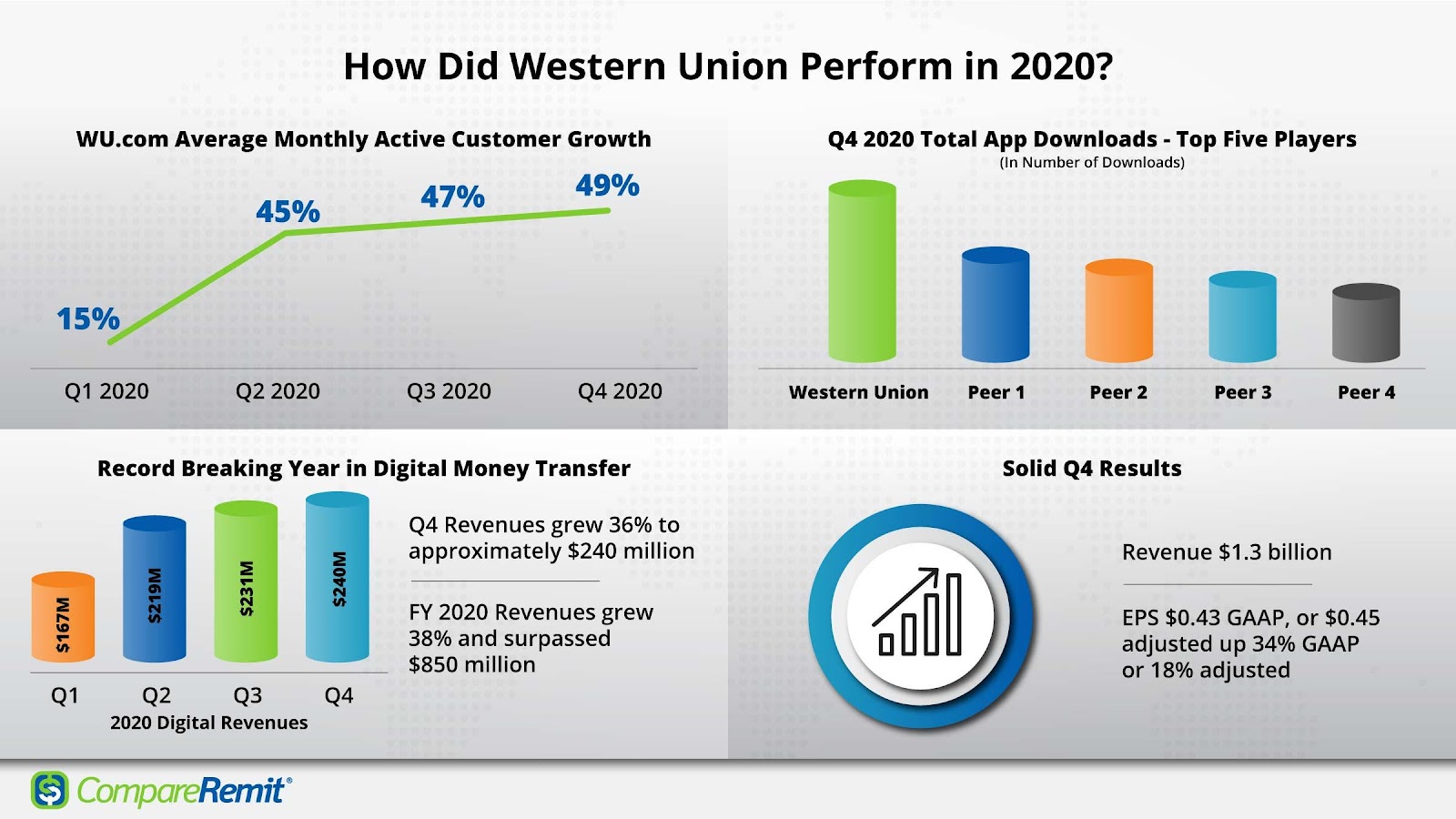
In recent years, the company has witnessed double-digit growth in its digital money transfer revenues (from its website and several digital partnerships), a 38% increase from over $600 million in 2019 to more than $850 million in 2020. By the end of 2021, it expects to exceed $1 billion.

As we will discuss in detail later in the blog, Western Union's expansion of digital services in the Philippines is a key development for the growth of digital remittances in the country.
BN64Vbo2YKyYP1Ufa_L8SnS7OpfR5SqnyhMPjebKLXrU5VPsZdKU75RGl_C7mfgP4bxgjAw0iaY4hrFrS1PjpqYXpddBlKHRGexgG3_n5p_5Ub-xQKGJhx8t9j9BRT_GmP4Al4c

How Money Transfers Companies Are Able To Expand Their Services In The Philippines?

Remittances from the Overseas Filipino Workers (OFWs) remittance had remained resilient for years. According to the World Bank, OFWs sent a total of $34.9 billion in 2020 despite the global economic downturn due to the pandemic.

Given the growing number of mobile and internet users and widespread digital penetration, the digitization of the remittance industry has been rapid in the Philippines. Digital remittances are becoming mainstream in the Philippines, given their lower cost, higher currency exchange rates, faster execution, convenience, and security.

It is important to note that about 71% of the country's 72 million adult population remained unbanked, according to the Bangko Sentral Ng Pilipinas (BSP) 2019 Financial Inclusion Survey. That said, the Philippines is home to around 2000 pawnshops.

Popular pawnshops in the Philippines such as Cebuana Lhuillier, Palawan Pawnshop have partnered with top international money transfer companies such as Xoom, WorldRemit, to give easy access to money transfer services.


Pawn Shops allow you to borrow money using your possessions such as jewelry, gadgets, vehicles, etc. These pawn shops have evolved to facilitate money transfers both domestically and internationally and even offer services like micro-insurance, microloans, bills payment, money exchanges, and more.

For OFWs sending money to loved ones in the Philippines, such partnerships bring great benefits. OFWs can send money online from anywhere in the world and the recipients can visit any branch in the Philippines to pick up the remittance.

At the same time, money transfer companies can expand their network in the country with such partnerships.
Western Union Digital Partnerships In The Philippines

pGfymn5qf39XkkOdOcFE7DaXOtPYbh0lcvsVEYKp_umWfv_jgIWFckPPi2X5rhe0BCaeKoEkgGfGkYxFvz0wJ1Sr1WajO5-0h3J6S6CdxXkeZRzya9aRvSLOSTgBbaiBKRo4c1k

Western Union has been strengthening its presence in the Philippines through numerous collaborations.

Last year, Western Union partnered with Cebuana Lhuillier Pawnshop, one of the Philippines' biggest non-bank financial service providers, as a result of which over 2,500 Cebuana Lhuillier locations across the Philippines became part of the Western Union's global network. Customers using the Cebuana Lhuillier's network can send or receive money via Western Union's network in over 200 countries.

The company also teamed up with PERA HUB to provide seamless digital money transfer services across the Philippines through the UnionBank mobile app. In other words, Western Union's digital money transfer tools come integrated into the UnionBank app.

Customers in the Philippines can receive international and domestic Western Union money transfers into their UnionBank accounts through the UnionBank app (available for iOS and Android).

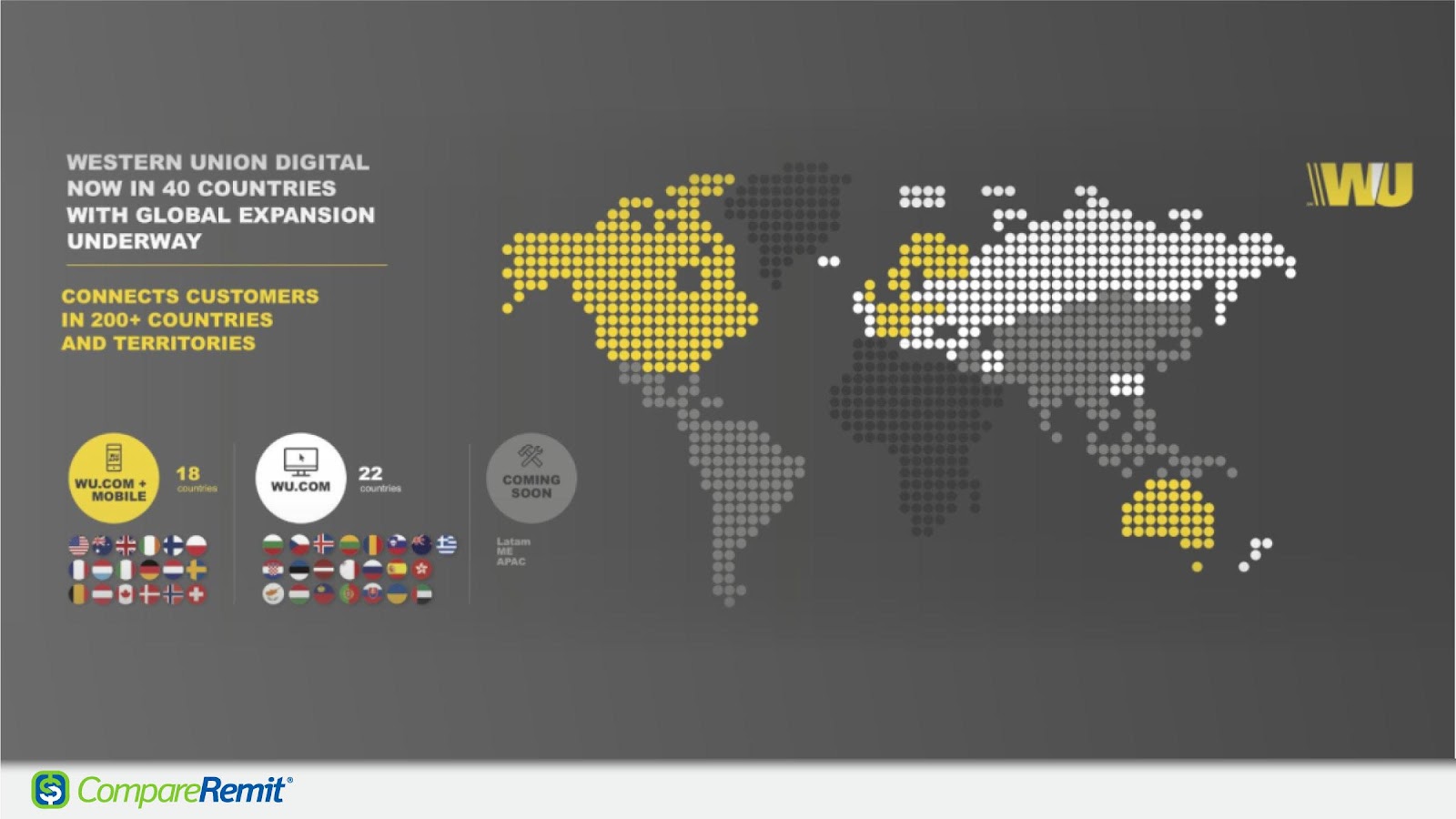
Western Union has plans to expand the app-based digital money transfer service from their UnionBank accounts to billions of bank accounts, mobile wallets, and cards in about 125 countries, covering more than half a million locations in over 200 countries and territories.

Western Union has also collaborated with TrueMoney and CARD Bank, to enable customers in the Philippines to receive money from their loved ones from across the globe.
nUvjNGNy8_smvRBjU_Gxl40zdEpXVMyKEPHuXneuHfOI2ZvAry2Iw6OTEeDcpZv3zuJc30ChyD6EWb5Ud98Hixr6DJlyAyJ1jyKkCKYkZssaPVlrI_BQy3pXXGGhVYpZ9BFU3x8

Western Union Expands Digital Money Transfer Services With Cebuana Lhuillier

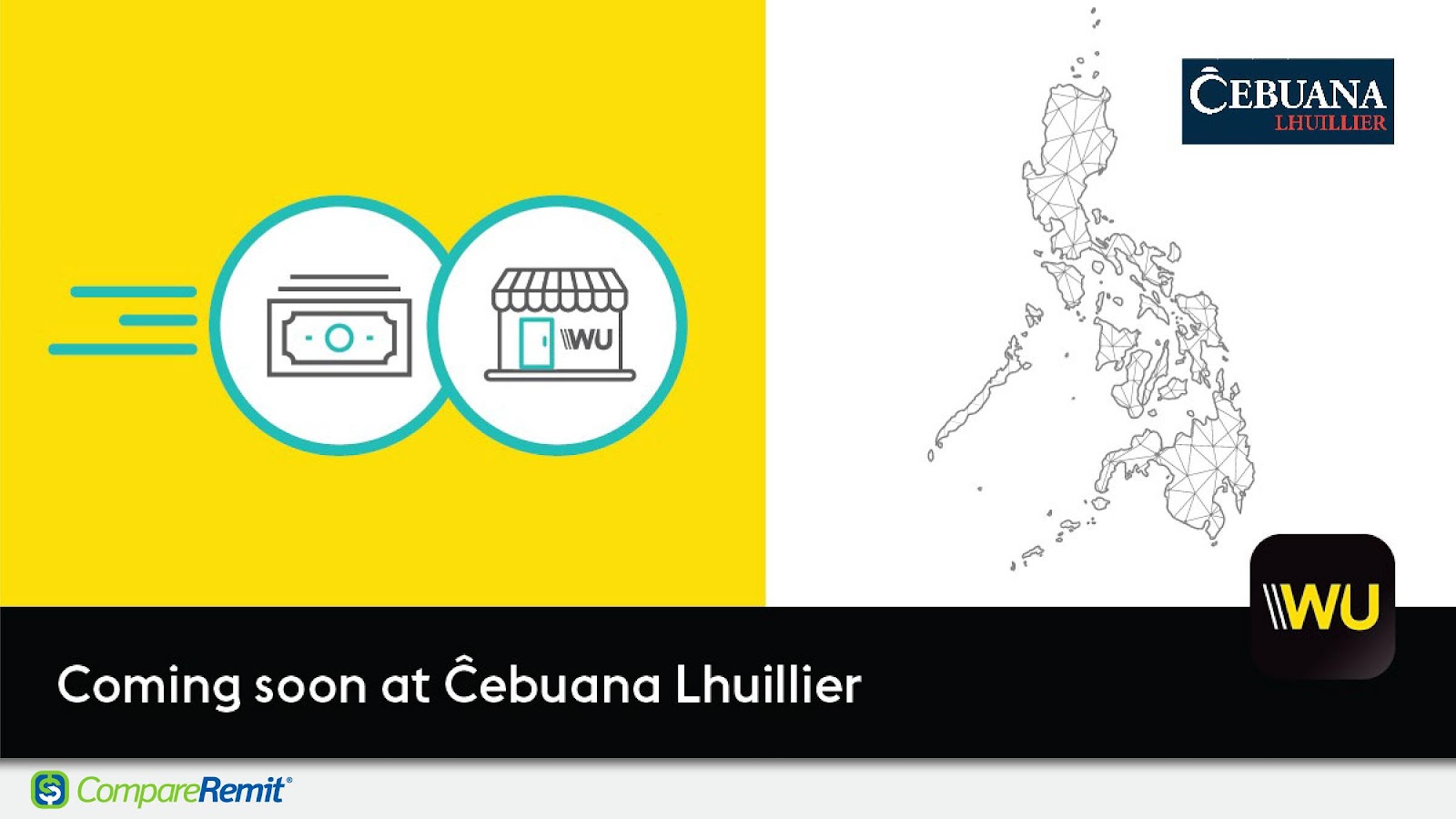
Western Union further extended its collaboration with Cebuana Lhuillier with the launch of digital money transfers that will allow eligible customers to receive Western Union international money transfers directly through the Cebuana Lhuillier Mobile App-eCebuana app ("eCeb"), which is available for iOS and Android.

The eCebuana app that comes with embedded micro-savings will enable customers to send and receive money digitally. Instead of going to the retail locations to collect the remittance, receivers in the Philippines have the option to direct an international money transfer into the eCebuana app.

To receive a Western Union transfer, users need to choose Western Union as their preferred receiver and put the Money Transfer Control Number (MTCN-available on the receipt given by Western Union with each transfer) and other required information. The money will be automatically credited to the micro-savings account once the steps are completed.

Cebuana Lhuillier micro-savings account holders, with the support of Western Union, have the option to receive money in the comfort and safety of their homes and use the funds toward various in-app services including bill payments, load purchases, and other financial transactions within the app. 

The service will be rolled out locally and globally by early 2022.

Also, Cebuana Lhuillier is partnered with some of the biggest brands in the money transfer industry such as MoneyGram, Xoom, WorldRemit, and Remitly so that Filipinos around the world can send money to the Philippines with ease.

Takeaway

The digital initiative by Western Union and Cebuana Lhuillier is a time-opportune one. The global digital remittances are expected to reach $8.61 billion by 2025 at a CAGR of 23.8%. The strategic collaboration of the two industry leaders will bring enhanced user experience while bolstering their digital capabilities.

Furthermore, the gaining popularity of cryptocurrencies like bitcoin internationally will have a major impact on the global remittance market. Blockchain, the technology behind Bitcoin, is a decentralized, distributed digital ledger that records transactions publicly.

The cost of international money transfers can be reduced significantly through the use of blockchain technology due to the lower infrastructure cost, zero hidden fees, and faster transfer speed without the need for correspondent banks.

Western Union has already been directing its funds to new technologies such as blockchain and cryptocurrencies. It announced its partnership with Coins.ph, a blockchain-backed e-wallet and digital currency exchange located in the Philippines.

 15092 views
Rate article:
(5.0)
 
Money Transfer FAQ's
Related News
us-tariffs-on-mexico-2025
US Tariffs on Mexico: What’s New in 2025

If you send money to Mexico to support loved ones or pay vendors, changes in tariffs directly affect you. In 2024, Mexico received a record $64.7 billion in remittances from the US. But new US tariffs on Mexico in 2025 are shifting the rules of trade. And yes, they could affect the amount your loved ones actually receive.These tariffs, tied to both trade and security policies, are already influencing exchange rates and transfer costs. A new 30% tariff on Mexican imports takes effect in August 2025, and the Mexican peso is feeling the heat.That’s why now’s the time to be smart about how you send money to Mexico. In this guide, we’ll break down the current US tariffs on Mexico, examine their impact on remittances, and show how tools like the CompareRemit exchange calculator can help you stretch every dollar further.What’s the Latest on US Tariffs on Mexico in 2025Tariffs have always shaped US-Mexico trade, from NAFTA to the USMCA. But summer 2025 has brought major shifts. Here’s a round-up:New 30% tariff starts August 1: On July 12, US President Donald Trump announced that all imports from Mexico will face a 30% tariff, up from 25%. This follows failed negotiations and was confirmed via official channels and social media.USMCA exemptions uncertain: It’s still unclear if the new 30% tariff will exempt USMCA-compliant goods. Businesses are awaiting formal guidance.Sector duties remain: Non-compliant auto parts and vehicles continue to face a 25% tariff. Steel imports are subject to a 25% tariff. Aluminum imports from Mexico now face a 25% tariff as of March 12, 2025, replacing the previous 10% rate under Section 232. Select produce, such as tomatoes and other non-compliant agricultural products, continues to face increased duties. Energy and potash imports remain subject to a 10% tariff if non-compliant.No retaliation from Mexico (yet): Mexico has not responded with tariffs. Instead, it continues high-level talks with the US to protect its economy.Binational working group formed: A permanent task force now manages trade, migration, and economic coordination between the two governments.Underlying drivers: The US cites national security, fentanyl trafficking, migration, and a $152 billion trade deficit with Mexico as justification.With the August 1 deadline past us, uncertainty looms if things will improve. If USMCA exemptions are revoked, a large share of Mexico’s $600 billion in exports could be affected. Businesses are preparing for higher costs and possible supply chain disruptions.The Impact of US Tariffs on Mexico in 2025Let’s get specific. The impact of US tariffs on Mexico is being felt across exports, inflation, jobs, and remittances. Here’s what’s affected:Exports: Roughly $300 billion in non-compliant Mexican exports now face 25% tariffs. Mexico’s overall export volume could fall by 10–15%, with the auto and electronics industries hit hardest. If these measures persist, they may drag down Mexico’s GDP in 2025.Inflation: In the US, vehicles subject to tariffs are priced up to $4,700 higher, with many models seeing increases in the $4,000 to $5,000 range depending on their supply chains and import content. Food prices in Mexico, particularly for staples like avocados and tomatoes, are rising due to higher import costs and a weaker peso, which are fueling broader consumer inflation.Jobs: Stellantis and other automakers have cut US jobs and paused production in Mexico due to new tariffs. About 900 US workers were temporarily laid off, and operations at the Toluca plant in Mexico were halted. These moves are driving up costs and cutting output for manufacturers and small businesses on both sides of the border. Sectors like manufacturing, agriculture, and construction are also facing higher costs and uncertainty.Exchange rates: The peso has weakened through 2025. As of July 22, it trades at 18.68 per USD, fluctuating between 18.55 and 18.75. While this boosts remittance value, it also raises import prices and fuels inflation in MexicoTariffs and currency trends are evolving fast. Comparing rates and using tools like CompareRemit’s exchange rate calculator can help you get more pesos for every dollar sent.How Tariffs Affect Remittances to MexicoThe impact of the US tariffs on Mexico can hit households, too. Here’s what’s happening:Remittances are becoming more essential due to rising costs and job losses.A weaker peso gives recipients more value per dollar.But inflation erodes that value, and planning becomes difficult when rates swing often.For example, if you send $1,000 at 18.5 MXN/USD, your recipient gets 18,500 pesos. At 19 MXN/USD, they get 19,000 pesos. That’s a 500 peso difference and is worth watching.Will You Have to Pay More to Send or Receive Money?Let’s look at the bottom line. Will these tariffs hit your wallet directly? Possibly. Not from a direct fee hike, but due to spillover effects like:Money transfer companies may increase fees to manage risk.Banks charge $15–$50 per wire. Remittance services average $0–$15.Mexico may raise local taxes to recover revenue losses from reduced trade.Here's what you can do:Compare exchange rates on CompareRemit.Set alerts to catch the best timing.Use low-fee methods like mobile wallets or cash pickup.Here’s a comparison of transfer methods to Mexico:MethodSpeedFeesConvenienceBest forRemittance ServicesMinutes to 1 day (cash pickup/bank deposit)$0–$15 (bank-funded), $10–$30 (card-funded)Easy online/app process with trackingPersonal remittances, urgent transfersBank-to-bank transfer1–5 business days$15–$50 (SWIFT fees)Requires bank detailsBusiness or recurring paymentsMobile walletsInstant to hours$0–$5 (may include withdrawal fees)App-based; the recipient needs a walletSmall, tech-savvy transfersCash PickupMinutes to hours$5–$15ID and reference number neededRecipients without bank accountsMany money transfer services offer competitive rates and fast delivery. Check CompareRemit’s reviews to find reputable providers tailored to your needs, especially with the impact of the US tariffs on Mexico affecting exchange rates.What to Watch Out for in the Coming MonthsThe current US tariffs on Mexico may shift soon. Keep an eye on:USMCA renegotiations: The 2026 review could bring tighter rules of origin or new tariff terms. Any change may impact trade and remittance flows, especially with exemptions under debate.Election-year rhetoric: Tariff talk is heating up. A new 30% tariff kicks in on August 1, 2025, and ongoing political messaging is adding uncertainty and fueling market instability.New duties ahead: Sectors like lumber and pharma may be next. This could expand the tariff burden beyond autos, steel, and agriculture, raising costs and disrupting supply chains.Stay informed by following updates from official sources like the USTR and trade.gov, as well as market coverage from leading news services, to help you navigate the shifting landscape.The impact of US tariffs on Mexico may create challenges, but they don’t have to diminish your remittances. By understanding their economic impact and comparing money transfer options, you can ensure your money reaches Mexico without hassle.Use the CompareRemit USD to MXN exchange rate calculator to find the best exchange rates, lowest fees, and fastest transfer times. Your hard-earned dollars deserve to make the maximum impact. Don't let policy shifts eat into your remittances; save more pesos with every dollar using CompareRemit’s tools.Frequently Asked Questions (FAQs)Q: What are the Current US tariffs on Mexico in 2025?A 25% tariff applies to non-USMCA-compliant imports. Energy and potash imports face a 10% duty. USMCA-compliant goods are exempt. Starting August 1, 2025, tariffs on certain goods are set to increase to 30% unless further policy adjustments are announced.Q: Why has the US increased tariffs on Mexican goods?To address a $152 billion trade deficit, reduce fentanyl trafficking, control illegal migration, and encourage domestic production.Q: How do US tariffs on Mexico affect the USD to MXN exchange rate?Tariffs have contributed to a weaker peso by raising economic uncertainty. This increases remittance value in local currency but also raises the cost of goods in Mexico due to higher import costs and inflation. As of July 22, 2025, USD/MXN trades around 18.68.Q: Will remittance costs go up due to the new tariffs?Not directly. However, money transfer providers or apps may raise service fees or widen exchange rate margins to manage increased market risk. It’s wise to compare options regularly to keep transfer costs low.Q: What industries in Mexico are most affected by the US tariffs on Mexico?Auto, steel, aluminum, and agriculture are the most impacted sectors by the recent tariff measures, with additional discussion of expanding duties to sectors like lumber and pharmaceuticals.Q: How can I find the best way to send money to Mexico during tariff hikes?Use tools like CompareRemit’s comparison platform to evaluate fees, rates, and delivery speeds, and set alerts to transfer money when rates are most favorable.

today's usd to inr
Why Is the USD to INR Rate Increasing Today?

The US dollar (USD) has been strengthening against the Indian rupee (INR), leaving many wondering why the USD to INR rate is increasing today. If you regularly send money to India, manage overseas payments, or plan to transfer funds soon, knowing what's driving this rate and movement can help you make smarter decisions about your money transfers.In this article, we’ll break down the key reasons behind the dollar’s rise, what it means for your transfers, and how you can get more value using CompareRemit’s tools and insights.Key Reasons for the Surge in the USD to INR RateThe USD to INR exchange rate is increasing due to a mix of global and domestic economic conditions. These shifts impact the strength of the US dollar and the weakness of the Indian rupee both, creating a wider gap between the two currencies.Here’s a breakdown of what’s influencing the current rate.Global Factors Boosting the US DollarStrong US economy: A strong US economy continues to be a key driver. Consistent consumer spending, low unemployment, and steady growth make the US dollar an appealing option for global investors. This increased demand for the dollar contributes to its rise against the Indian Rupee.Aggressive US tariff policies: The discussion around aggressive US tariff policies, particularly reciprocal tariffs on imports, also creates demand for the dollar. These policies can raise inflation expectations, which decreases the likelihood of the Federal Reserve cutting interest rates. This, in turn, keeps US bond yields elevated and attracts more capital to dollar-denominated investments.Higher interest rates and bond yields: Higher interest rates and bond yields in the US are drawing capital away from other markets. With the Federal Reserve maintaining a tighter monetary policy, dollar-backed assets offer strong returns. This encourages global investors to shift their capital, which strengthens the dollar against the Indian rupee.Domestic Factors Weakening the Indian RupeeRising trade deficit and oil import bills: India’s trade deficit remains a concern, especially with continued dependence on costly imports like crude oil. As global oil prices rise, India requires more dollars to cover its import costs. This increases demand for USD and puts pressure on the INR.Inflation in India: Elevated inflation weakens the value of the rupee by reducing its purchasing power. As prices rise, the INR struggles to maintain its value against stronger currencies like the US dollar.Foreign capital outflows: Capital moving out of Indian equity markets and lower Foreign Direct Investment (FDI)inflows are reducing the overall supply of USD in India. When fewer dollars enter the country, the exchange rate moves upward.Limited RBI intervention: The Reserve Bank of India (RBI) has taken a more hands-off approach in the foreign exchange market recently, letting the rupee adjust naturally. At the same time, expectations of rate cuts by the RBI contrast with the Fed’s tighter stance, widening the interest rate gap and further weakening the INR.Trade risks from potential US tariffs: Concerns around possible US tariffs on Indian goods are also weighing on market sentiment. These potential trade barriers could hurt India’s export performance and economic outlook, dragging the rupee down further.How This Affects YouSending money from the US to India becomes more rewarding when the USD to INR exchange rate is high. Each dollar sent translates to more rupees for the recipient.But since exchange rates change constantly, timing is everything. Using a real-time tool like CompareRemit’s exchange rate tracker helps you monitor the market and lock in the best rates.This rate increase can be a strategic advantage if you're planning a large transfer, such as paying tuition, supporting family, or funding a property investment in India. Even a small difference in the exchange rate can mean thousands of extra rupees on a big transaction.That’s why it pays to stay alert and proactive. CompareRemit gives you the tools to make smarter, better-timed decisions, so you get the most value for your money.How to Take Advantage of the Increasing USD to INR RateWhen the dollar is strong, your remittances to India go further. Here’s how to make the most of the current USD to INR exchange rate:Watch the rates daily: The USD to INR rate can change rapidly, even within a single day. Set up rate alerts to get notified when the dollar hits your target rate, so you can transfer at the most profitable moment.Compare money transfer providers: Even with a strong USD, fees and markups vary. Use CompareRemit’s comparison tool to see which provider offers the best USD to INR rate and the lowest transfer fees.Lock in rates when favorable: Think the rate might drop soon? Some providers let you lock in today’s strong USD to INR rate for future transfers. This feature helps you secure value even if the market shifts later. It’s especially useful if you're planning a large or time-sensitive transaction.Choose the right transfer speed: If your transfer isn’t urgent, slower delivery options often come with better rates and lower fees. But if time is a factor, CompareRemit helps you find a provider that balances speed with competitive rates, so you don’t have to sacrifice one for the other.Take advantage of promotional offers: Many providers offer limited-time deals for first-time users or high-volume transfers. Keep an eye out for cashback offers, fee waivers, or bonus rupees.Make the Most of the Current Exchange RateThe USD to INR rate is increasing today due to a mix of strong US economic performance and domestic pressures weakening the Indian rupee. For those sending money to India, now is a potentially opportune moment.Staying informed about current rates will allow you to make smarter choices. Use CompareRemit’s real-time tools to track rates, compare providers, and lock in the best deals!Frequently Asked Questions (FAQs)Q: What will be the value of USD to INR in 2026?It’s difficult to predict the exact value of USD to INR in 2026, as it depends on global economic trends, US interest rate policies, and India’s fiscal performance. Staying updated with tools like CompareRemit’s exchange rate tracker can help you monitor future changes.Q: What is the highest ever USD to INR?As of March 19, 2025, the highest recorded USD to INR exchange rate is ₹87.7893 per US dollar. This peak reflects the ongoing depreciation of the Indian rupee, influenced by factors such as a strong US economy, elevated US interest rates, and domestic economic challenges in India.Q: Who benefits from a weaker dollar?A weaker US dollar benefits American exporters, as it makes their goods and services cheaper and more competitive abroad. It also helps foreign countries repay dollar-denominated debt more easily. However, for those sending money to countries like India, a weaker dollar means fewer rupees per dollar, reducing remittance value.Q: Is USD to INR going to increase?The USD to INR rate in 2025 is expected to range between ₹84 and ₹89.5, depending on global and domestic economic factors. Forecasts suggest a stronger US dollar, and flexible RBI policies may push the rate higher.Q: Will the dollar to rupee rate increase further?Market analysts expect continued volatility. The rate could reach ₹87–89 in the coming months, driven by growth expectations and changing Fed policy. It's best to keep an eye on current rates through real-time tools.

Abound
Time of india Group Invests $10 Million in Abound Super-App for NRI Remittance Services

Abound, a comprehensive super-app tailored for Non-Resident Indians (NRIs), has successfully secured $10 million in funding from the Times of India Group. This investment aims to bolster the app's remittance services, providing a more streamlined and cost-effective solution for expats.Nishkaam Mehta, the CEO of Abound, expressed in a press release on Monday that the primary objective of the app is to alleviate the complexities and high costs associated with traditional financial services for expats. He further emphasized that this borderless super-app is designed to cater to the distinct financial needs of Indian expats across various regions, enabling them to transcend geographical limitations and live their lives to the fullest.According to World Bank estimates from the previous year, remittances witnessed a 5% growth in 2022, reaching a staggering $626 billion. These transfers serve as a crucial financial lifeline for individuals sending money back home to their loved ones. Furthermore, with approximately 1.4 billion adults still without bank accounts, the need for innovative money transfer solutions is more pressing than ever.Abound, a venture of the Times of India Group and previously known as Times Club, is specifically crafted for Indian expatriates residing in the U.S. The app allows users to transfer funds to India without the hassle of long wait times or transfer fees. In addition to this, membership on the platform comes with a host of benefits including cash-linked and loyalty rewards, curated content, and access to both online and offline commerce. As more NRIs seek innovative financial management solutions, Abound positions itself as the ultimate all-in-one platform with features such as:Daily Shopping Rewards: Recognizing the significance of everyday spending for Indian expats, Abound offers a plethora of daily shopping rewards and cashback offers, enabling users to maximize their purchases.Exclusive Offers Across Categories: Abound provides its users with exclusive deals and offers across a wide range of categories, from groceries and entertainment to shopping and travel, thereby enhancing their lifestyle experiences.To commemorate the launch of its remittance feature, Abound is introducing a limited-time promotion for early adopters, offering an exchange rate of $1=₹83 for money transfers to India.Join the NRI community in ushering in a new era of financial management with Abound. The app is readily available for download on both Android and iOS devices, ensuring easy access and a seamless user experience.

Download the CompareRemit App
Personalize your CompareRemit experience with your preferred corridor and receive target exchange rate notifications, seamless transitions to partner apps, and real-time comparisons of top remittance providers at your fingertips.

Get Listed or Advertise

Download Our Free App

Try our faster, enhanced mobile app for a better experience

CompareRemit App