USD INR ₹ 95.67
GBP INR ₹ 127.82
CAD INR ₹ 66.06
Guides

Atlantic Money Transfer: Review & Comprehensive Guide

Updated on November 13, 2023 12:53 am
Atlantic Money Transfer

In the vast ocean of financial technology, Atlantic Money emerges as a beacon for those seeking efficient and secure international money transfers.

 This comprehensive review and guide are designed to unravel the intricacies of Atlantic Money, exploring its unique features, costs, safety measures, and providing a step-by-step guide for users. Whether you're a seasoned user of money transfer services or a newcomer exploring your options, this review aims to provide clarity on the capabilities and nuances of Atlantic Money.

What is Atlantic Money Money Transfer?

Atlantic Money is a financial platform that facilitates international money transfers. Positioned in the competitive market of online remittance services, it boasts user-friendly interfaces and promises efficient cross-border transactions. With a commitment to simplicity and transparency, Atlantic Money has garnered attention as a potential alternative to other leading services.
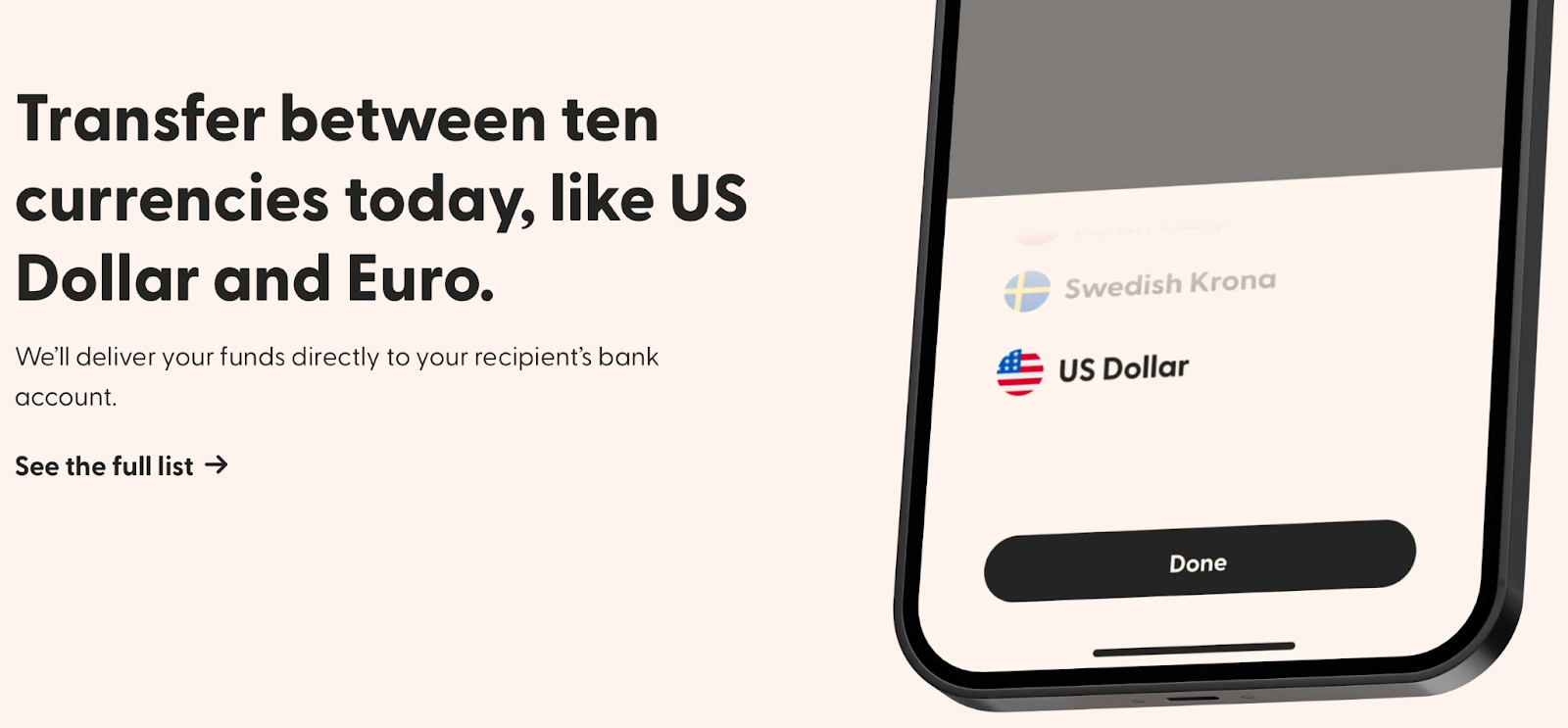
Currently, Atlantic Money only offers transfers from the British Pound and the Euro. They offer a small list of currencies you can transfer to. 

To view a complete list of currencies that Atlantic Money serves, navigate to the home page. There you will find the money transfer calculation tool. Select the drop down menu for the receiving currency and you will be shown all the currencies you can transfer. 

How Much Does Atlantic Money Money Transfer Cost? 

Standing out strong against their competition, Atlantic Money makes the process of paying transfer fees extremely simple and affordable. 

All you pay for your transfer fees is a flat £3 fee! If you would like an expedited transfer, then you can face additional charges. 

For an estimate of how much your expedited transfer will take, enter the details of your money transfer in the money transfer calculator tool on the home page. You will get an estimate of your additional charges. 

How Much Money Can I Send Using Atlantic Money? 

Always at the live rate and with zero markup, Atlantic allows you to transfer up to £1 million!  

How Long Does Atlantic Money Take to Send Money? 

Atlantic Money prioritizes efficiency in international money transfers, and users can benefit from relatively swift transaction times. The platform recognizes the importance of timely fund transfers, aiming to provide a seamless experience for its users. The actual transfer duration can vary based on several factors, including the currencies involved and the chosen payment method.

Here is a general overview of how long transfers can typically take: 

To get an estimate of how long your transfer in particular will take without committing to the process of creating an account, use their money transfer calculator on the home page. There, you will get an estimate of how long your transfer will take. 

Is Atlantic Money Safe? 

You might be wondering, is Atlantic Money reliable? Don’t worry! Safety is a huge concern when entrusting a platform with financial transactions. Atlantic Money employs robust security measures, including encryption and identity verification, to protect user data and funds. 

How to Send Money With Atlantic Money? 

Now for the biggest question you must have: how does Atlantic Money work?

Luckily, using Atlantic Money for your international money transfers is relatively straightforward. Here's a step-by-step guide:

  1. Account Setup: If you haven't already, create an account on the Atlantic Money platform.
  2. Login: Log in to your Atlantic Money account using your credentials.
  3. Initiate Transfer: Once logged in, locate and select the "Send Money" or equivalent option on the platform.
  4. Recipient Details: Enter the recipient's information, including their name, contact details, and banking information as required.
  5. Select Transfer Amount: Specify the amount you wish to send and choose the currency for the transaction.
  6. Review and Confirm: Carefully review all the entered details to ensure accuracy. Confirm that the recipient's information is correct, and the transfer amount is accurate.
  7. Payment Method: Choose the preferred payment method from the available options (bank transfer, credit/debit card, etc.).
  8. Verify Identity: Follow the prompts to verify your identity. This step is essential for compliance with regulatory requirements.
  9. Review Fees: Check and review any associated fees for the transaction. This information is typically displayed before finalizing the transfer.
  10. Confirm Transaction: After verifying all details, confirm the transaction to initiate the money transfer.
  11. Track Transfer: Utilize the tracking feature on the Atlantic Money platform to monitor the progress of your transfer. This may include updates on the processing and delivery status.
  12. Notification and Confirmation: Once the transfer is completed, you should receive a notification or confirmation via email or within your Atlantic Money account.

How to Contact Atlantic Money? 

Atlantic Money offers various ways to contact their customer support team for assistance or inquiries.

Atlantic Money has a comprehensive Help Center on their website. Here you can get detailed answers to commonly asked questions. 

Still need help with Atlantic Money? Call the support team at any time at: +44 808 175 1167  or email their support team at: [email protected]

Pros of Atlantic Money Money Transfer

Based on our research of customer reviews and comparison to other remittance providers, the pros of the Atlantic Money money transfer service are:

  • Competitive Transfer Rates: Atlantic Money offers competitive rates for international money transfers, potentially saving users money compared to traditional banking methods.
  • Expedited Shipping Option: If you need to get your funds transferred to your recipient quickly, you have the option of paying a tiny additional fee to get your transfer shipped within minutes. 
  • Efficient Processing Times: Atlantic Money prides itself on efficient processing times, ensuring that users can send and receive funds promptly, which is crucial in today's fast-paced financial landscape.
  • Transparent Fee Structure: The platform maintains transparency in its fee structure, a flat fee of £3 per transfer, allowing users to clearly understand the costs associated with their transactions.
  • Robust Security Measures: Atlantic Money prioritizes the security of user information and funds, employing encryption and authentication protocols to safeguard against unauthorized access.

Cons of Atlantic Money Money Transfer Service

Based on our research of customer reviews and comparison to other remittance providers, the cons of the Atlantic Money service are:

  • Limited Availability: The service may not be available in all regions, potentially limiting its accessibility for certain users.
  • Limited Service Offerings: While Atlantic Money excels in international money transfers, its services may be limited compared to comprehensive financial platforms that offer a broader range of services.
  • Dependency on Digital Infrastructure: Users who prefer or rely on in-person transactions may find a fully digital platform like Atlantic Money less suitable for their needs.

Atlantic Money Money Transfer Service Alternatives

If you’re looking for an alternative to Atlantic Money’s remittance service, here are some top remittance providers we recommend that offers low fees, excellent exchange rates, and are easy to use: 

Atlantic Money Reviews

Need more assurance about Atlantic Money? Let’s see what users of Atlantic Money have to say. Sourced from multiple platforms, customer reviews of Atlantic Money are: 

Atlantic Money scores a “Great” rating on TrustPilot with a TrustScore of 3.8 out of 5. 

“Every transfer worked as promised. Transfer via app is extremely uncomplicated. There are no hidden costs. Customer service during office hours on what's app was fast, friendly and helpful.” - Claus Abel on TrustPilot

I always use online comparing sites and Atlantic Money has the best rates. Don’t know how long it’s gonna be like this but right now it’s worth using it. Also registration and creating account is super easy and fast.” - User on Trustpilot

Do We Recommend Atlantic Money?

Atlantic Money emerges as a compelling option in the realm of international money transfers, offering a user-friendly experience, competitive rates, and efficient processing times. Its commitment to security and positive reviews on platforms like Trustpilot further solidify its position as a trustworthy and legitimate service. As with any financial decision, users should weigh the pros and cons based on their specific needs. Whether you're sending funds to family overseas or conducting business transactions, Atlantic Money provides a modern solution to the age-old challenge of international money transfers.

We invite you to compare remittance providers using CompareRemit’s comparison tool today to find the best rates, lowest fees, and fastest turnaround times for your specific destination and transfer amount.

 8058 views
Rate article:
(0.0)
 
 
Money Transfer FAQ's
Related Articles
dollar-vs-philippine-peso-today
What Does the Dollar vs Philippine Peso Today Mean for Your Money Transfer?

The fluctuating world of currency exchange can sometimes feel daunting, especially when you are planning on making remittances. You want to make sure every dollar you send translates into the most pesos possible for your recipient.This article will give you the inside scoop on what affects this important currency pair, and give you a full analysis of the dollar vs the Philippine peso today. It will also arm you with the knowledge to make the best choices for your remittances. Let's ensure your money transfers between the U.S. and the Philippines are always smooth and easy.Understanding the Dollar vs. Philippine Peso Exchange RateSince mid-July 2025, the US dollar (USD) has been steadily rising against the Philippine peso (PHP), recently reaching its highest level since November 2022. As of January 4, 2026  the 1 dollar vs Philippine peso exchange rate closed at ₱58.87, reflecting the current strength of the U.S. dollar against the peso.Factors affecting the dollar vs Philippine peso exchange rateThe dollar vs. the Philippine peso exchange rate is constantly fluctuating, influenced by several key factors. For anyone sending money to the Philippines, understanding the reasons behind the volatile market is crucial.Economic performance in both the US and the Philippines plays a significant role. A strong US economy can boost the dollar, while a healthy Philippine economy with controlled inflation can strengthen the peso.Interest rates, set by central banks like the US Federal Reserve and the Bangko Sentral ng Pilipinas (BSP), are crucial. Higher interest rates typically attract foreign investment, making a currency more appealing.Inflation also significantly impacts currency value. High inflation erodes purchasing power, potentially weakening a currency. The Philippines, being import-reliant, actively manages the peso's value to control imported inflation.Geopolitical events and global economic conditions can cause shifts. In uncertain times, the US Dollar often acts as a "safe haven," increasing its demand and potentially weakening the peso. Monitoring these factors can help you understand the dollar vs the Philippine peso rate today and optimize your conversions.What’s driving USD/PHP movements today?Bullish factors for the dollar:Rising U.S. Treasury bond yields make the dollar more attractive.High oil prices hurt the peso, as the Philippines is a major oil importer.Geopolitical tensions and investor risk aversion favor the USD.Continued equity outflows and current account deficits in the Philippines.Supportive factors for the peso:Ceasefire optimism in the Middle East improved regional sentiment, strengthening the peso by 0.7% a few months ago.Bangko Sentral ng Pilipinas (BSP) has hinted at market intervention to stabilize the peso.If the BSP maintains or raises interest rates while the Fed pauses, it may help attract capital inflows and support the peso.What Does the Dollar vs Philippine Peso Today Mean for Your Remittance?For those sending money from the U.S. to the Philippines, the current strong dollar works in your favor. You essentially get more pesos for every dollar sent. However, the volatility means timing your transfer matters.You can use a reliable comparison platform like CompareRemit to track real-time exchange rates, fees, and transfer speeds across top providers. This will help you lock in the best remittance value when the dollar is strong.How to Get the Best Rate for Dollar vs Philippine PesoTo truly get the most out of your money, it's essential to compare rates from various remittance providers. What one service offers for 1 dollar vs the Philippine peso today might be significantly different from another. Many providers update their rates frequently, sometimes even every minute. Here are some tips that can help:Real-time comparison tools: Utilize online comparison tools to get real-time data on exchange rates from multiple money transfer services. This allows you to instantly see which remittance provider offers the most pesos for your dollars.Check for promotional rates: Some remittance providers offer special promotional rates for new customers or specific corridors, such as USD to PHP. These can be temporary but offer excellent value, especially for your first few transfers.Understand the mid-market rate: This is the true exchange rate between two currencies, without any markups or fees applied by a money transfer service. Knowing it gives you a benchmark to assess how competitive a given offer truly is. The closer a provider's rate is to the mid-market rate, the better the deal you're likely to get.Consider the payment method: The way you fund your transfer and how your recipient receives the money can influence both the exchange rate and the fees. Bank transfers often have lower fees but might take longer, while card payments can be quicker but sometimes come with higher costs.Which is Best for Your Remittance Needs: USD or PHP?This is the core question for many sending money to the Philippines. The decision to send USD or PHP largely depends on your recipient's needs, current market conditions, and your chosen remittance service.When sending PHP might be best:If your recipient needs to use the money immediately for daily expenses, bills, or local purchases, receiving it directly in PHP is often the most convenient option. It eliminates the need for them to find a money changer and worry about local exchange rates, which can sometimes be less favorable than those offered by online remittance services.When you send PHP, you lock in the exchange rate at the time of the transaction. This provides predictability, as you know exactly how many pesos your recipient will receive. This can be particularly reassuring for families relying on a consistent amount of support.While some local money changers might offer seemingly good rates, they often have additional fees or less favorable rates for smaller transactions. Sending PHP directly through a reputable online service can help your recipient avoid these additional costs and hassles.When sending USD should be considered:If your recipient intends to save the money or make a significant purchase in the future, and they believe the Philippine peso might depreciate against the dollar, holding onto USD could be advantageous.In certain situations, your recipient might have expenses that are priced in USD, such as international school fees or certain imported goods. In such cases, receiving USD directly could be beneficial.Fees and Transfer Speeds: Key ConsiderationsWhen comparing dollar vs Philippine peso remittance options, don’t focus only on the exchange rate. Fees and transfer speeds can significantly impact the total value received.Even services that claim “zero fees” may offer a weaker dollar vs Philippine peso exchange rate, which can cost you more overall. Instead, look at the effective rate.Fixed fees: Charged per transfer regardless of the amount.Percentage-based fees: A cut of the total amount you send.Hidden fees in exchange rates: Markups that reduce your value without being obvious.Transfer speeds matter too. In urgent situations, how fast your funds arrive is crucial:Instant/minutes: For cash pickup or mobile wallet deposits.Same-day/next-day: Common for online bank deposits.1–3 business days: Typical for ACH-funded bank-to-bank transfers from the U.S.Factors Beyond Exchange Rates and FeesBeyond the dollar vs. Philippine peso exchange rate and fees, several other elements shape your remittance experience.First, security and reliability are paramount. Choose a licensed provider with strong encryption and fraud protection to safeguard your money and personal information. You need to trust the service you use.Second, consider convenience and user experience. A smooth, intuitive platform, whether online or via a mobile app, saves you time. Look for easy sign-up, transfer initiation, and tracking. Many services offer convenient options to send money online or through agent locations.Third, customer support is vital. Good support, accessible and responsive, can quickly resolve any issues, easing potential stress about your money transfer.Fourth, check payment and payout options. Does the service allow you to pay conveniently (e.g., bank transfer, card)? Crucially, are the payout options easy for your recipient in the Philippines? This includes direct bank deposits to major Philippine banks like BDO or BPI, cash pickup at various locations, or mobile wallet transfers to services like GCash or Maya.Lastly, be aware of any transfer limits too, especially for large amounts of 1 dollar vs Philippine peso conversions.Make Your Remittance Journey Easier with CompareRemitSending money abroad doesn’t have to be cumbersome or confusing. When looking at the dollar vs Philippine peso exchange rates, the key is to compare your options. With the right tools, you can save money and make sure your remittance, whether in USD or PHP, reaches your loved ones quickly.Use CompareRemit to find the best dollar vs Philippine peso exchange rate today, along with low fees and fast transfer times. It shows real-time rates from multiple providers, some of which you may not even know about. By comparing, you get more value and peace of mind. Start comparing now to get the most from every dollar.Frequently Asked Questions (FAQs)Q: When to exchange dollars for pesos?The best time to exchange depends on the current dollar vs Philippine peso exchange rate; aim for when you get more PHP for each USD. You can use services like CompareRemit to view your transfer options.Q: What is the current exchange rate for 1 dollar vs Philippine peso?As of 4 January 2026, 1 dollar vs Philippine peso stands at approximately ₱58.87. This rate varies based on market conditions, so it's best to check real-time rates.Q: What is the best time to buy the peso?The best time to buy the Philippine peso is when the U.S. dollar is strong and the peso is weak, meaning you get more pesos for each dollar.Q: What will happen to the Philippines if the dollar is higher?When the dollar vs Philippine peso rate rises, meaning the dollar strengthens against the peso, it can have mixed effects. For Filipino families receiving remittances, it’s a short-term benefit, as each dollar sent from abroad converts to more pesos. But a stronger dollar can also lead to higher import costs, rising inflation, and added pressure on the country’s current account deficit. This may impact the overall economy.Q: Where can I convert USD to PHP?You can convert USD to PHP through various online money transfer services, banks, and authorized money changers, with online platforms often offering competitive rates. To compare and get the best transfer rates, try tools like CompareRemit.

Portfolio Investment Scheme
Portfolio Investment Scheme: An NRI Guide for 2026

As a non-resident Indian (NRI) or overseas citizen of India (OCI), investing in India’s dynamic stock market can help you grow your wealth while staying connected to your roots.In 2024, the BSE Sensex delivered an impressive 8.2% return, marking its ninth consecutive year of gains. The Portfolio Investment Scheme (PIS) offers a regulated and streamlined route for NRIs to invest in Indian equities and securities.This guide explains the meaning, mechanics, eligibility criteria, and application process of the Portfolio Investment Scheme. See how the PIS is connected to remittances and how CompareRemit’s exchange rate calculator can help you maximize every dollar you send to fund your investments.What is the Portfolio Investment Scheme? The Portfolio Investment Scheme, overseen by the Reserve Bank of India (RBI), enables NRIs and OCIs to invest in the Indian stock markets through a structured framework. Launched in 1992, PIS enables you to buy and sell equity shares, convertible debentures, and other securities listed on recognized exchanges, such as the BSE and NSE. The scheme was introduced to attract foreign investment while ensuring transparency and regulatory control.By routing investments through designated bank accounts, the RBI monitors transactions and facilitates compliance. For NRIs, PIS provides a secure way to tap into India’s growing economy.Now that you understand the basics, let’s explore how PIS functions in practice.How Does the Portfolio Investment Scheme Work?The PIS operates through a clear, regulated process:Designated bank accounts: Investments must flow through NRE (Non-Resident External) or NRO (Non-Resident Ordinary) accounts with an RBI-authorised bank.Transaction tracking: All PIS transactions are reported to the RBI for compliance with FEMA regulations.Repatriation: NRE-linked accounts permit full repatriation of funds, whereas NRO accounts are subject to restrictions.Here's an example of how it would work:To buy shares of Tata Motors, you transfer USD to your NRE account using a money transfer service and convert it to INR. You then instruct your bank to execute the purchase via your linked demat and trading accounts.To fund your PIS account efficiently, use CompareRemit’s comparison tool and find the best USD to INR exchange rates. How Does the Portfolio Investment Scheme Work?PIS outlines who can invest, the types of assets permitted, and the regulatory framework governing these transactions. Here's a breakdown of how it functions, from eligible participants to RBI compliance rules:Eligible investors: Only NRIs and OCIs can participate; resident Indians and non-OCI foreign nationals are excluded.Permissible investments: Equity shares, convertible debentures, and securities listed on BSE or NSE.Prohibited sectors: Investments in real estate, chit funds, or Nidhi companies are restricted, with sectoral caps (e.g., 10% for banking).RBI guidelines and compliance: The Reserve Bank of India regularly updates its operational guidelines for PIS. These cover investment limits, reporting requirements, and account operations. All investments must be routed through designated banks and brokers registered with the stock exchanges.How to Apply for the Portfolio Investment SchemeGetting started with the PIS is a fairly simple process, but it does involve a few key steps and documents. Here's how to apply and get your account set up:Choose a designated bank: Select an RBI-authorized bank, such as HDFC, ICICI, or SBI, that offers PIS services.Open NRE/NRO account: Link an NRE or NRO account to your PIS application.Submit PIS application: Complete the bank’s PIS form, available online or at branches.Provide KYC documents: Submit your passport, visa, PAN card, and overseas address proof.Link your demat and trading accounts: Connect your PIS account to a demat and trading account with a registered broker.Approval timeline: Expect approval within 7-10 business days.Once approved, you’ll need to decide between picking an NRE and or an NRO account for your investments.NRE vs. NRO Accounts Under PISChoosing the right account type is critical for PIS. Here’s a comparison between NRE and NRO accounts so that you can pick the right one for your needs:FeatureNRE accountNRO accountRepatriabilityFully repatriable (principal and profits)Restricted; requires RBI approvalTaxationInterest is tax-freeInterest taxable (up to 30%)Investment ScopeEquity, debentures, and mutual fundsSame as NRE accounts, with repatriation limitsBest ForLong-term investors seeking repatriationInvestors with Indian incomeMany NRIs prefer using NRE accounts for their repatriation benefits, especially for equity investments. Explore CompareRemit’s NRI services to compare top Indian banks offering NRE and NRO accounts, view account types, contact details, required documents, and apply seamlessly in one place.Now, with the account choice clear, let’s look at why PIS is appealing to NRIs.Benefits of the Portfolio Investment Scheme for NRIsPIS offers several advantages for global Indians:Seamless market access: Invest directly in India’s stock market without intermediaries.RBI oversight: Ensure transparency and FEMA compliance.Tax clarity: Enjoy tax-free interest with NRE-linked accountsRepatriation flexibility: Get easy fund repatriation with NRE accountsWhile PIS has clear advantages, it’s also important to understand its limitations.Limitations and Important GuidelinesPIS comes with specific rules for NRIs that you must keep in mind:Investment limitsNRIs and OCIs can hold up to five percent of a company’s paid-up equity capital. The total cap across all NRI and OCI investors in a single company is 10 percent, extendable up to 24 percent or the sectoral FDI limit, with board and regulatory approval.No intraday tradingPIS does not allow intraday trades. All equity trades must be settled on a delivery basis. You must hold shares for at least one day before selling. Short selling and derivatives trading are not permitted.Brokerage and bank chargesBanks typically charge a one-time PIS account setup fee (around ₹1,000) and annual maintenance fees (from ₹500 to ₹1,000). Each buy or sell transaction reported to the RBI attracts a processing fee (usually ₹100 to ₹200), in addition to standard brokerage (often capped at 0.5 percent or a flat rate). Demat and trading account charges may apply based on your broker’s policy.RBI monitoringAll PIS transactions are reported to the RBI by the designated banks. The RBI monitors compliance with sectoral limits and FEMA rules. If limits are breached, corrective actions may follow. Following these rules helps you invest transparently and stay compliant with Indian regulations under the PIS.PIS and Remittances: What You Should KnowFunding your PIS account efficiently can boost your investment returns. Exchange rate fluctuations, such as those influenced by global trade policies, demonstrate how the USD to INR currency trends affect remittances. For NRIs, timing INR transfers is crucial:Optimize currency conversion: Use CompareRemit’s rate comparison tool to find the best USD to INR rates. The INR is trading at ₹86.35 against USD as of July 22, 2025.Avoid double conversion fees: Transfer directly to your NRE account to minimize costs.Track exchange rates: Set alerts on CompareRemit to catch favorable rates, as INR has fluctuated between ₹84.22 and ₹87.79 against USD in 2025.Many more remittance providers offer competitive rates and fast transfers. Check reviews of remittance companies on CompareRemit to find the best fit for your PIS funding needs. With a clear remittance strategy, let’s wrap up with how to make the most of PIS.Maximize Investment, Minimize HassleThe Portfolio Investment Scheme for NRIs empowers you to invest in India’s thriving stock market with confidence and transparency. By understanding what the Portfolio Investment Scheme is, how it works, and its eligibility criteria, you can make informed decisions to grow your wealth.Pairing PIS with smart remittance planning ensures your money goes further. For instance, sending $1,000 at 83 INR/USD yields 83,000 INR, but at 84 INR/USD, you get 84,000 INR. It's a 1,000 INR difference that adds up.To maximize your investments, use CompareRemit’s tools to compare exchange rates, fees, and transfer times.Select low-fee services, such as mobile wallets or bank transfers, to efficiently fund your PIS account. With the right approach, your hard-earned money can achieve maximum impact in India’s stock market.Frequently Asked Questions (FAQs)Q: What is the meaning of the Portfolio Investment Scheme for NRIs?PIS enables NRIs and OCIs to invest in Indian stock markets through RBI-regulated NRE/NRO accounts, ensuring transparency and compliance.Q: How do I apply for the Portfolio Investment Scheme in 2025?Open an NRE/NRO account with an RBI-authorized bank, submit the PIS application with KYC documents, and link your demat/trading account. Approval usually takes 7–10 days.Q: Can I invest through both NRE and NRO accounts under PIS?Yes, NRE accounts offer full repatriation of funds, while NRO accounts have restrictions on repatriation; choose based on your specific needs.Q: Are intraday trades allowed under the PIS?No, intraday trading is prohibited; shares must be held for at least one day under PIS rules.Q: How does PIS differ from other NRI investment routes?PIS is for stock market investments under RBI oversight, unlike FDI or mutual funds, which follow different regulations.Q: How can I get the best exchange rate when remitting funds for PIS?To maximize your investment value, it’s essential to compare exchange rates and transfer fees before sending money. CompareRemit lets you compare real-time exchange rates and fees across leading money transfer services so you get the most out of every dollar you send to fund your PIS investments.

scoring-the-best-dollar-to-peso-rates
The Ultimate Guide to Scoring the Best Dollar to Peso Rates

Sending money from the US to the Philippines is more than just a financial transaction—it's often an emotional one. You must be supporting your family, funding a business, or covering an emergency. But every dollar you send matters. And here’s the thing: not all transfers are created equal.The dollar-to-peso exchange rate plays a major role in how much value your loved ones receive on the other end. Even a small difference in the rate can mean hundreds of pesos more or less over time.This guide walks you through the process of obtaining the best exchange rate when sending money to the Philippines. From smart timing tips to comparison tools, you will learn practical ways to make your dollars go further.Why the Dollar to Peso Exchange Rate MattersYou may not think much about exchange rates until you notice that your recipient received less than expected. Here’s a quick example:Let’s say you send $500.At 56 PHP/USD, that’s ₱28,000.At 58 PHP/USD, that’s ₱29,000.That’s a ₱1,000 difference, just from the exchange rate alone. If you send money regularly, these differences add up quickly over time.Knowing the current dollar-to-peso exchange rate and choosing a provider wisely can have a big impact on your total transfer value. The key is understanding how rates work and how to find the most favorable one when it matters most.Factors That Affect the Dollar to Peso Exchange RateBefore you start looking for the best rate, it helps to know what affects the value of the Philippine peso against the US dollar.Market demand and supply: Currency exchange rates fluctuate based on global supply and demand. If demand for the US dollar is high, it strengthens against the peso, meaning you get more pesos per dollar.Inflation and interest rates: Countries with lower inflation and higher interest rates often have stronger currencies. If inflation in the Philippines rises, the peso may weaken, which can be favorable for US senders.Economic and political stability: Exchange rates also react to events like elections, economic growth, and central bank policies. Any instability in either country can cause sudden rate shifts.Remittance seasons: Peak sending times, like the December holidays or back-to-school season, can create fluctuations in the dollar-to-peso exchange rate due to a higher volume of transfers.How to Get the Best Exchange Rate When Sending MoneySo, how can you make sure you are not leaving money on the table? Here are proven strategies to help you secure a great rate and minimize fees.Compare rates in real time: Rates can change multiple times a day, and different providers offer different rates. One of the smartest ways to ensure you are getting a good deal is to use a comparison tool like CompareRemit’s real-time exchange rate platform.Watch out for hidden fees: Some companies advertise “zero fee” transfers, but they often make up the difference by offering a weaker exchange rate. Always check both the fees and the exchange rate to calculate your real cost.Choose the right time to transfer: Exchange rates are dynamic. Sometimes, waiting a day or two can give you a better rate. Use tools like rate alerts or daily trackers to monitor fluctuations and time your transfers when the rate improves.Use promotions and first-time deals: New customer promotions can offer better rates or waive fees. These are great for one-time transfers or when you are trying a new provider. But after the first transfer, the rates may drop, so compare the regular pricing before switching providers.Use trusted and regulated providers: Always choose providers that are licensed and regulated in both the US and the Philippines. Trusted services not only offer secure transactions, but they also tend to offer more competitive rates because they operate at scale and with transparency.Send larger amounts less frequently: Every time you send money, you may pay a fixed transfer fee. By consolidating your remittances into larger, less frequent amounts, you reduce how often you pay these fees.Example:Sending $200 five times = $25 in fees (at $5 per transfer)Sending $1,000 once = $5 in feesYou save $20, and your recipient gets the same amount in one go, especially helpful when rates are high.Tools to Help You Get the Best RatesGetting a great exchange rate isn’t just about timing. It’s also about using the right tools. Here are some free, easy-to-use tools from CompareRemit that can help you make smarter, more cost-effective transfer decisions:Exchange rate calculator: Not sure how much your recipient will get? Use the CompareRemit Exchange Rate Calculator to instantly see the converted amount based on current rates. Just enter the amount you want to send, and the calculator will show you:How many pesos will your recipient receiveTransfer fees (if any)The total cost across multiple providersRate alert tool: Tired of checking rates every day? Let CompareRemit do the work for you. With our Rate Alert Tool, you can:Set your target exchange rate (e.g., 1 USD = 58 PHP)Receive instant email or SMS notifications when that rate becomes availableDaily rate tracker: Want to stay on top of rate trends without manually checking every day? Subscribe to our Daily Exchange Rate Tracker and get regular updates straight to your inbox. You will get:Daily USD to PHP rate updatesHighlights of the best provider offersQuick snapshots to help you decide when to sendMake Every Dollar CountSending money doesn’t have to be stressful or costly. By comparing rates, using trusted providers, and staying informed, you can ensure that your money reaches your loved ones with maximum impact.Use CompareRemit’s comparison tool to find the best dollar-to-peso exchange rates and transfer options today. Whether you send money weekly, monthly, or just for special occasions, CompareRemit helps you make smarter, more cost-effective decisions every time.Frequently Asked Questions (FAQs)Q. What is the best time to send dollars to pesos?There’s no perfect time, but exchange rates tend to improve when the US dollar is strong. Track daily rates and set up alerts with CompareRemit to catch favorable shifts.Q. How do I know if I'm getting a good exchange rate?Use tools like CompareRemit to compare rates across multiple providers in real time. Don’t just rely on “zero fees”; always calculate the final amount your recipient will receive.Q. Is it better to send money online or via a bank?Online money transfer providers often offer better rates and lower fees than traditional banks. They're also faster and more transparent about costs.Q. How can I avoid hidden fees when sending money to the Philippines?Always review both the transfer fee and the offered exchange rate. Some providers show zero fees but lower the rate to compensate. CompareRemit breaks this down clearly for you.Q. Are there limits on how much I can send to the Philippines?Yes, each provider has its own sending limits. Some allow up to $10,000 per transfer, while others may cap daily or monthly transfers. Always check with the service you’re using.Q. How do I know if I’m getting a good dollar-to-peso exchange rate?Check the rate against the mid-market rate (the real exchange rate). Then compare offers from multiple providers using CompareRemit’s rate comparison tool to find who gives you the most pesos for your dollar.

Download the CompareRemit App
Personalize your CompareRemit experience with your preferred corridor and receive target exchange rate notifications, seamless transitions to partner apps, and real-time comparisons of top remittance providers at your fingertips.

Get Listed or Advertise

Download Our Free App

Try our faster, enhanced mobile app for a better experience

CompareRemit App